Health and Safety Policy for Landscaping Forest Gate
 Landscaping Forest Gate is committed to maintaining a safe, healthy, and well-managed working environment for everyone involved in our outdoor projects. This policy sets out the standards that guide our daily work, from site preparation and planting to pruning, turf care, and hard landscaping tasks. We recognise that landscaping work can involve changing ground conditions, sharp tools, moving vehicles, powered equipment, and manual handling, so risk control is a core part of how we operate.
Our aim is to prevent injury and ill health by planning work carefully, using suitable equipment, and making sure all tasks are carried out by competent people. Every team member is expected to follow safe methods, report hazards, and take reasonable care of themselves and others. This applies to all landscaping activities, whether the job involves a private garden, commercial grounds, or large-scale outdoor maintenance.
Our Safety Principles
 The foundation of our landscaping health and safety approach is simple: identify hazards early, reduce the chance of harm, and review controls regularly. We place emphasis on safe planning, clear communication, and ongoing awareness throughout each stage of a project. No task is considered routine enough to ignore risk, especially when weather, terrain, or machinery can change conditions quickly.
Supervisors are responsible for making sure workers understand the job, the tools being used, and any limitations of the site. Workers must not start tasks they are not trained to complete safely. Where hazards cannot be removed entirely, we use appropriate controls such as barriers, warning signs, protective clothing, and restricted access areas. This measured approach supports safer landscaping operations and helps protect the public as well as our staff.
Risk Assessment and Site Preparation
Before work begins, a site assessment is carried out to identify uneven ground, hidden debris, underground services, overhead obstacles, wildlife risks, and possible interaction with the public or other trades. In landscaping Forest Gate projects, special attention is given to access routes, storage locations, and weather-related issues such as heat, frost, or heavy rain. A clear work plan is then put in place so that materials, equipment, and people are managed efficiently.
 Good preparation reduces incidents and improves productivity. Tools are checked before use, work zones are organised, and waste is removed promptly to prevent slips, trips, and falls. Where necessary, tasks are scheduled to avoid overcrowding and to separate pedestrians from moving machinery. These controls help ensure that landscaping safety is built into the job rather than added as an afterthought.
Training, Supervision, and Equipment
All workers receive instruction relevant to their duties, including the safe use of mowers, strimmers, hedge cutters, hand tools, and lifting aids. Training is refreshed when equipment changes or when new risks are introduced. Competent supervision is maintained so that less experienced staff can work under guidance and unsafe practices can be corrected early. We expect all employees to wear suitable personal protective equipment, including gloves, eye protection, hearing protection, safety footwear, and high-visibility clothing where required.
Equipment must be maintained in good working order and inspected regularly. Defective tools are removed from service until repaired or replaced. Fuel, batteries, chemicals, and sharp implements are stored and handled correctly to reduce fire, exposure, and injury risks. We also ensure that machinery is only operated by authorised personnel and used in line with manufacturer instructions. This helps keep landscaping work safe, consistent, and reliable.
Manual handling is another key consideration in our policy. Wherever possible, heavy lifting is reduced through team lifting, mechanical assistance, or better planning of deliveries and storage. Repetitive movement, awkward posture, and fatigue are monitored closely, especially during prolonged outdoor work. Staff are encouraged to take breaks, stay hydrated, and report strain early so that problems do not worsen.
Health Protection and Environmental Care
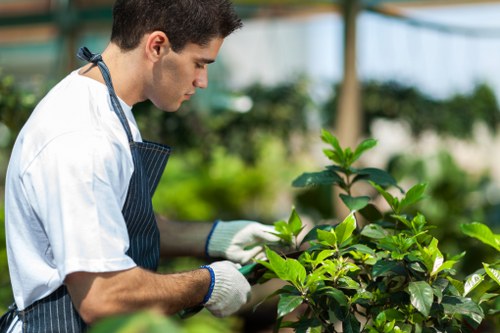 Our policy also covers health risks that may develop over time. Exposure to dust, noise, vibration, sun, cold, and plant materials can affect wellbeing if not managed properly. Appropriate controls are used to limit exposure, and workers are encouraged to speak up if they experience symptoms such as skin irritation, breathing difficulty, or fatigue. We aim to promote a healthy working culture where prevention is prioritised.
Environmental conditions are reviewed throughout the day because landscaping tasks often take place outdoors for long periods. If weather creates unsafe conditions, work may be paused, adjusted, or rescheduled. In addition, we take care to avoid unnecessary disturbance to surrounding areas by controlling noise, dust, waste, and fuel use. This supports both safety and responsible site management.
Emergency Response and Incident Reporting
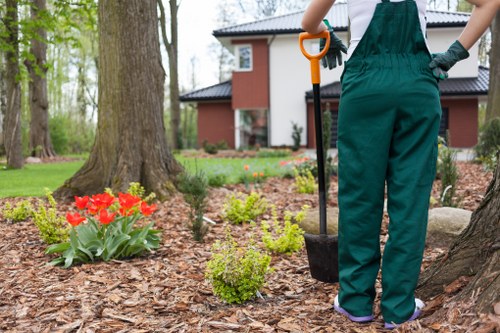 Every team member must know how to respond if an accident, near miss, fire, equipment failure, or medical issue occurs. First aid provision is made available where required, and emergency procedures are communicated before work starts. Clear reporting helps us learn from incidents and improve our controls. No matter how minor an event may seem, it should be reported so that similar risks can be prevented in future.
All incidents, hazards, and unsafe conditions are reviewed by management. Where improvements are needed, action is taken promptly and recorded. This may include changing work methods, replacing equipment, increasing supervision, or updating training. By maintaining this cycle of review, landscaping Forest Gate can continue to deliver safe, professional services while protecting staff, clients, and the public.
Policy Review This policy is reviewed regularly to ensure it remains effective, practical, and aligned with current working practices. Everyone involved in our landscaping activities is expected to support this commitment by following safe systems of work, using equipment responsibly, and contributing to a positive safety culture. Through shared responsibility and consistent standards, we aim to maintain a workplace where safety is integral to every task.