Garden design and build in Forest Gate
If you are looking for garden design and build in Forest Gate, you may already know that a good outdoor space has to do more than look attractive. It needs to work for the way you live, the size and shape of your property, the amount of maintenance you want to do, and the realities of local access. In Forest Gate, where homes range from compact terraced properties and converted flats to larger family houses and mixed-use premises, a well-planned garden can make a big difference to everyday life.
Whether you want a peaceful family garden, a practical courtyard, a smart front garden, or a usable outdoor area for a business premises, the right design and build approach can turn underused space into something genuinely valuable. A local team understands narrow side access, parking pressures, shared boundaries, and the need to keep disruption manageable while work is carried out. That local knowledge matters when you want a finished garden that feels intentional, durable, and suited to Forest Gate living.
From the earliest sketch through to planting and finishing touches, garden design and build should feel structured but flexible. It is about listening to what you want, assessing the site properly, and choosing materials and planting that suit the setting. Good landscaping is not just about style; it is about creating a space that fits real life.
Why choose a local garden design and build service in Forest Gate?

Working with a local team for garden design and build in Forest Gate gives you practical advantages from day one. Local crews are usually more familiar with the layout of streets, the challenges of working close to neighbours, and the realities of getting materials in and out of properties where access can be tight. That can save time, reduce disruption, and make the whole process smoother.
Forest Gate properties often call for thoughtful solutions. A long narrow garden may need zoning to avoid feeling like a corridor. A small rear yard might need clever storage, raised beds, and hard-wearing surfaces. A family garden may need a safe lawn area, low-maintenance borders, and a patio that can handle regular use. A local designer and builder can tailor the layout to the property rather than forcing a one-size-fits-all approach.
There is also value in choosing a company that understands seasonal planting and construction conditions in the area. Soil conditions, drainage needs, shade from nearby buildings, and prevailing wind exposure can all affect the final result. When the design is grounded in the realities of the site, the garden is far more likely to stay attractive and usable over time.
What our garden design and build service includes

A full garden design and build service usually begins with understanding what you want your space to do. Some customers are after a stylish entertaining area. Others want child-friendly lawn space, a low-maintenance layout, or a garden that makes a frontage look more welcoming. In Forest Gate, the best outcomes usually come from combining practical planning with good-looking finishes.
Typical elements may include layout planning, hard landscaping, soft landscaping, planting design, drainage improvements, paving, decking, fencing, edging, turf or artificial grass, and lighting. Depending on the project, it may also involve removing old features, regrading levels, preparing soil, or making the space safer and easier to use. Every project should be shaped around the site, the budget, and the way you intend to use the garden.
For many customers, the biggest benefit is having one team coordinate the whole process. Rather than dealing with separate contractors for design, groundworks, and planting, a combined service keeps the project moving in a clearer sequence. That can reduce delays, make decisions easier, and help the finished garden feel cohesive.
Garden design in Forest Gate: turning ideas into a practical plan
Good design starts with how you want to live outdoors. If you only have a few small windows of time to enjoy the garden, you may need a layout that is low-maintenance and easy to keep tidy. If you entertain often, you may want a paved area close to the house, with lighting and planting that create atmosphere in the evenings. If children or pets use the space, durable surfaces and clear sightlines become more important.
A design process for garden design and build in Forest Gate should take account of the whole site, not just the central lawn or patio. That means considering boundaries, neighbouring properties, existing levels, drainage routes, access paths, and where the sun falls throughout the day. It also means looking at storage, refuse access, and any practical issue that could affect daily use.
Design is where function and style meet. A beautiful garden that is awkward to use will quickly become frustrating, while a purely practical layout can feel uninspiring. The aim is to create an outdoor space that is both comfortable and attractive, with clear purpose in each part of the garden.
Examples of design priorities for local properties
- Improving small gardens by creating distinct zones for sitting, planting, and storage
- Making narrow gardens feel wider through layout, texture, and planting structure
- Using raised beds and paving to reduce maintenance demands
- Designing family-friendly spaces with robust surfaces and open lawn areas
- Enhancing front gardens and entrances for a more polished first impression
- Creating private outdoor areas where neighbouring buildings are close by
The build phase: bringing the design to life

Once the plan is agreed, the build stage turns the design into a finished space. This is where careful groundwork matters most. A strong build phase may include clearing away old paving, broken decking, tired turf, or overgrown beds, then preparing the ground so each new element can sit properly and last well. Poor preparation can lead to sinking paving, patchy lawns, or awkward drainage issues later on.
In Forest Gate, many gardens benefit from attention to access and logistics before the build even begins. If side access is limited, materials may need to be handled carefully to avoid damage to paths, walls, or neighbours' boundaries. If on-street parking is tight, planning deliveries and skip access becomes part of the project management. Choosing a local team helps because they are used to working around these practical constraints.
The build itself may involve installing sub-bases for paving, setting levels for patios, forming edging, building sleepers or retaining features, erecting fencing, laying lawn, and planting borders. A professional approach focuses on detail as well as appearance. Straight lines, correct falls for water runoff, secure fixings, and quality finishing all matter if you want the garden to stay in good shape after the team has left.
Common build elements
- Patios and terraces
- Paths and stepping areas
- Decking and seating areas
- Fencing and screening
- Retaining walls and raised planters
- Turfing, planting, and borders
- Lighting and feature details
Services for residential and commercial customers
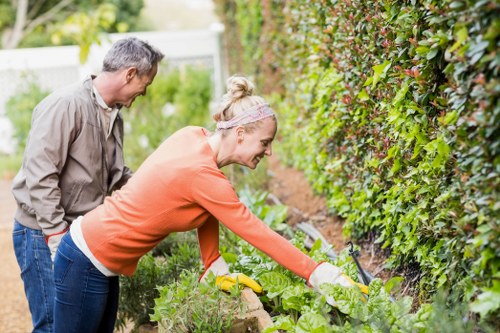
Many people think of garden design as something only for private homes, but garden design and build in Forest Gate can be just as useful for commercial premises, rental properties, schools, care settings, and shared residential spaces. A well-planned outdoor area can improve kerb appeal, support safety, and make maintenance simpler over the long term.
For residential customers, the priorities are often comfort, privacy, and lifestyle. For commercial spaces, the focus may be on durability, easy upkeep, and a smart appearance that reflects the property well. Both types of project benefit from clear planning and a design that considers foot traffic, surface wear, and the need for straightforward upkeep.
Some local properties also have shared or communal outdoor areas where the challenge is to balance appearance with practicality. In these cases, hard-wearing planting, robust surfaces, and sensible layout choices are important. The goal is not just to make the space look better, but to make it easier to manage.
Possible project types
- Rear garden redesigns for family homes
- Small courtyard makeovers for flats and terraces
- Front garden improvements for better curb appeal
- Practical outdoor spaces for rented properties
- Outdoor seating and planting schemes for commercial premises
- Boundary and privacy improvements
How the process usually works
Customers often want to know what happens first and how long things may take. While every job is different, a clear process makes the experience easier to understand. It usually begins with a conversation about your needs, followed by an on-site assessment of the garden and the key issues that need solving. After that, the layout, materials, and practical details are discussed in more detail.
Once the design direction is agreed, the build programme can be planned around access, materials, and weather conditions. A professional team will normally sequence the work so that demolition, ground preparation, structural landscaping, and planting happen in the right order. This organised approach helps keep the site tidy and reduces avoidable disruption.
After the main construction is complete, finishing touches such as planting, edging, soil improvement, and cleanup make the space feel complete. For many customers, this is when the transformation really becomes clear. A well-finished garden should feel ready to use, not half-done.
Typical stages
- Initial discussion and site visit
- Review of layout ideas and practical constraints
- Selection of materials and planting style
- Ground preparation and clearance
- Construction and installation
- Finishing, planting, and final walkthrough
What to prepare before work starts

Preparing properly can help the project run more smoothly. If you are arranging garden design and build in Forest Gate, it helps to think ahead about what you want to keep, what should be removed, and how you would like the finished space to function. The clearer your priorities are, the easier it is to shape a design that fits them.
You do not need to know every technical detail. That is part of the service. But some simple preparation can be useful, especially in a busy local area where access and parking may need planning. It may help to clear personal items from the garden, think about side access or gate widths, and identify any features you definitely want to retain, such as a mature shrub, a washing line position, or a seating area.
Preparation is also about communication. If you have pets, shared boundaries, limited access times, or specific concerns about neighbours, these should be mentioned early. That allows the project to be planned realistically and with less interruption to daily life.
Preparation checklist
- Decide what you want from the garden day to day
- Identify any existing features you want to keep
- Remove personal items, pots, and movable furniture
- Check gate width and access routes
- Consider parking and delivery arrangements
- Note any drainage issues or problem areas
- Think about privacy, shade, and sun exposure
Design ideas that work well in Forest Gate
Different properties in Forest Gate call for different solutions, but some ideas tend to work especially well in urban and suburban settings. Well-planned hard landscaping paired with soft planting can create a garden that feels balanced, tidy, and welcoming throughout the year. For example, using quality paving close to the house creates a practical transition between indoors and outdoors, while planting can soften edges and add colour.
Where gardens are small, choosing a limited number of materials can help the space feel cleaner and less cluttered. In longer gardens, dividing the space into sections can create a stronger sense of purpose. In shaded gardens, careful plant selection can make the area feel greener without relying on sun-loving species that struggle in the conditions.
Many Forest Gate customers also want low-maintenance options because they have busy schedules. That may mean larger paving areas, evergreen planting, mulch to suppress weeds, and robust boundaries that do not require constant upkeep. A practical garden does not have to be plain; it just needs to be designed with a realistic level of care in mind.
Popular features to consider
- Outdoor dining patios
- Built-in or freestanding seating zones
- Raised beds for easier planting and better structure
- Screening for privacy near neighbouring properties
- Lighting for evening use and security
- Evergreen planting for year-round interest
- Easy-care surfaces and durable finishes
Materials and finishes: choosing what suits your property
The materials you choose will strongly influence both the look and long-term performance of the garden. Natural stone, porcelain, concrete paving, timber, composite decking, gravel, and decorative aggregates each have their place. The right choice depends on style, usage, budget, and maintenance preferences. A local team can help you compare these options in the context of Forest Gate properties, rather than in the abstract.
For example, a property with limited outdoor space may benefit from clean, light surfaces that help reflect light and make the area feel larger. A family garden may require hard-wearing materials that can cope with muddy shoes, play, and frequent use. A commercial frontage may need something smart and durable that stays presentable without too much effort. Choosing materials carefully now can reduce problems later.
Planting also matters just as much as paving or decking. Borders should suit the amount of sun, the soil conditions, and how much maintenance you want to do. Strong planting structure can give the garden year-round shape, while seasonal plants bring variety and colour at the right moments.
Pricing factors: what influences the cost of a garden design and build project?
Every garden is different, so the price of a project depends on several practical factors rather than a fixed formula. The size of the garden is one consideration, but not the only one. Access, ground conditions, material choice, the amount of clearance needed, drainage requirements, and the level of detail in the design all affect the overall scope of work.
In Forest Gate, access can be a major factor. A property with narrow side access, limited parking, or shared paths may require more careful handling of materials and waste removal. If the garden has old concrete, deep roots, poor drainage, or changes in level, preparation work can also take more time. These are the kinds of details a site visit can reveal before work begins.
Rather than looking only at the headline number, it is often better to think about value over time. A thoughtfully built garden may reduce future maintenance, improve usability, and add enjoyment every day. A well-planned project is usually easier to live with than a quick fix.
Factors that may affect project scope
- Garden size and shape
- Existing condition and clearance work
- Access for tools, materials, and waste removal
- Drainage and ground preparation needs
- Choice of hard landscaping and planting materials
- Complexity of layout or retaining work
- Lighting, screening, or custom features
Why a local company is useful for Forest Gate customers
There are plenty of reasons local customers prefer to work with a nearby company for garden landscaping. Response times can be quicker, site visits are easier to arrange, and the team is more likely to understand the types of properties and gardens common in the area. In a place like Forest Gate, that practical familiarity can improve planning and reduce guesswork.
Local knowledge also matters when coordinating around neighbours, deliveries, and working hours. If the street is busy or the access point is awkward, an experienced local team will already be used to planning around those issues. That can make the process feel calmer and more organised from start to finish.
Customers also benefit from a team that understands the real expectations of local homes and businesses. A garden for a family house near transport links may need different materials and layout choices than a courtyard behind a shop or a communal area attached to a block of flats. Tailoring the service to the property type is one of the clearest signs of a professional approach.
Areas covered around Forest Gate
Garden design and build services in Forest Gate are often requested alongside work in nearby neighbourhoods and surrounding parts of East London. Customers may be based in nearby residential streets, around mixed-use areas, or within properties that sit close to busy transport corridors. A local team can usually cover adjoining districts efficiently and plan visits with minimal disruption.
Depending on the project, nearby areas may include surrounding parts of Newham and neighbouring local communities where similar property styles, access challenges, and garden sizes are common. If you are unsure whether your location is covered, it is usually worth requesting a quote and discussing the site details directly. Location matters less than whether the team can sensibly reach, assess, and complete the work.
If your property sits in a tight urban setting, has shared entrances, or needs careful scheduling, choosing a service that regularly works in and around Forest Gate can save time and stress. The more familiar the team is with the area, the easier it tends to be to manage the job properly.
Suitable for a wide range of property types
- Terraced houses
- Semi-detached and detached homes
- Flats with rear or side outdoor spaces
- Rental properties and managed homes
- Commercial courtyards and frontage areas
- Shared gardens and communal outdoor spaces
Frequently asked questions
How long does garden design and build take?
The timeline depends on the size of the garden, the amount of preparation needed, and the complexity of the layout. A simple refresh may move faster than a project that includes drainage, retaining features, or major clearance. A site visit is the best way to understand the likely timescale.
Can you help if my garden is very small?
Yes. Small gardens can benefit a great deal from careful design, especially where space is limited and every metre counts. Smart layout choices, compact planting, vertical features, and space-saving materials can make a big difference.
Do I need a full redesign, or can I improve part of the garden?
Not every project needs a complete overhaul. Many customers choose to improve one section at a time, such as a patio, front garden, boundary, or planting area. A staged approach can still deliver a strong result.
Can the garden be designed for low maintenance?
Absolutely. Low-maintenance design is one of the most common requests. It may involve simplifying the layout, reducing lawn area, choosing durable surfaces, and selecting planting that is easier to manage throughout the year.
What if access to the back garden is difficult?
This is common in Forest Gate and nearby areas. Tight access can be managed with careful planning, suitable equipment, and a sensible work sequence. It is helpful to mention this at the quotation stage so the project can be planned properly.
Do you work on commercial properties as well as homes?
Yes. Garden design and build services can be adapted for residential and commercial sites, including frontage areas, courtyards, communal spaces, and outdoor areas that need to look smart and remain practical.
How to choose the right team for your project
When comparing options for garden design and build in Forest Gate, look for a team that asks good questions and pays attention to the site, not just the appearance you want at the end. A strong service should be able to talk through access, drainage, maintenance, material options, and how the garden will be used day to day.
You should also expect clear communication about the process. That means understanding what is included, what decisions need to be made early, and what might affect the schedule. A trustworthy local service will focus on practical detail as well as presentation.
Most importantly, the team should make you feel that the project is achievable in your space. Whether you need a fresh family garden, a modern entertaining area, or a more useful courtyard, the right approach will be shaped around your property rather than a generic template.
Good signs when choosing a provider
- They discuss your needs before suggesting solutions
- They consider access, drainage, and neighbouring properties
- They explain how the design will suit the local property type
- They are clear about what the build includes
- They offer practical advice as well as creative ideas
Ready to improve your outdoor space? Contact us today to request a free quote and discuss your garden design and build project in Forest Gate. Whether you are starting from scratch or updating an existing garden, a well-planned approach can help you make the most of the space you have.
Book your service now and take the first step toward a garden that is better suited to your home, your lifestyle, and your location.